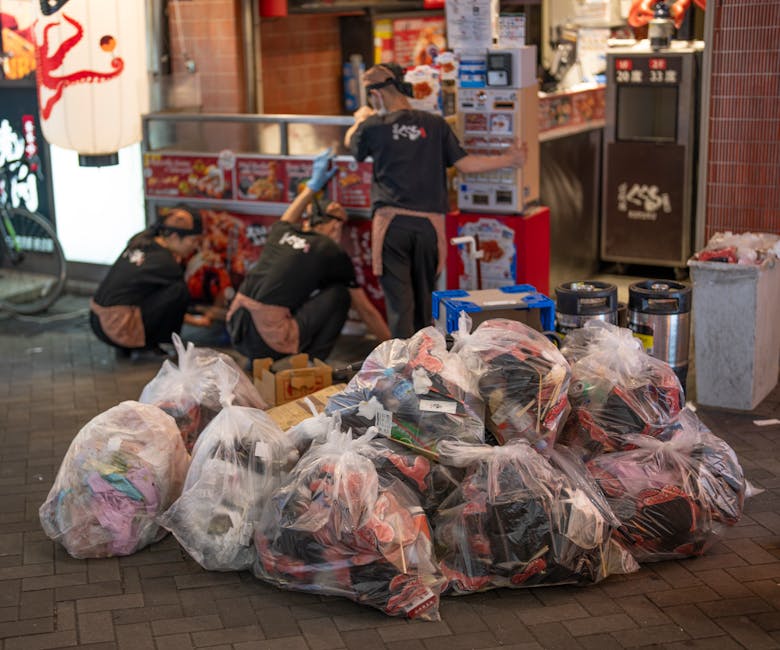
Commercial Waste in Spitalfields
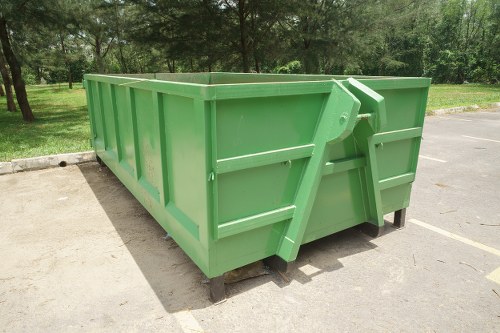
Commercial waste in Spitalfields needs a service that can deal with day-to-day refuse, heavier mixed loads and routine clearances without turning collection into a disruption. We handle business waste removal with a focus on practical sorting, compliant transport and sensible scheduling, so offices, shops, hospitality venues and managed properties can keep storage areas clear and working space usable. The service is built around straightforward collection of commercial rubbish, with attention paid to what can be separated for recycling and what needs special handling.
For many premises, the main requirement is consistency: a dependable way to move waste off site, keep bins and back-of-house areas under control, and reduce build-up that affects operations. Our business waste removal service is intended for that kind of regular commercial load, while more specific disposal pages cover particular materials and types of clearance. If you need to compare options before arranging collection, pricing and quotes gives a useful starting point for understanding how a quotation can be shaped around the job.
Tell us what kind of waste is involved, how much there is and where it is stored, and we can help identify the most suitable service. When you are ready to move ahead, request a quotation and we will take it from there. If the load is unusual, mention that early so the collection can be planned correctly.
Regular business waste collection

Routine commercial collections suit premises that produce waste steadily throughout the week and need it removed before it interferes with stock, cleaning or staff movement. This can include packaging, office rubbish, bagged general waste, light bulky items and mixed materials from storage or back-of-house areas. The aim is not simply to take things away, but to keep the waste stream organised so the right items are directed to the right route.
Where waste is not heavily contaminated, sorting at source makes the process easier and can improve the proportion that is recycled. Our approach to recycling and sustainability is relevant here because many commercial loads contain cardboard, metals, plastics and other recoverable items mixed with general refuse. A clear plan for separation also helps with health and safety by reducing clutter, trip hazards and manual handling issues around working areas.
Typical collection planning starts with a straightforward description of the waste, the access available and the likely volume. Keep it concise, but do include anything that could affect loading, such as restricted lifts, basement storage or items that may need to be lifted from a rear yard. A clear description helps avoid unnecessary delays and makes the quotation more accurate.
Office and workplace clearances
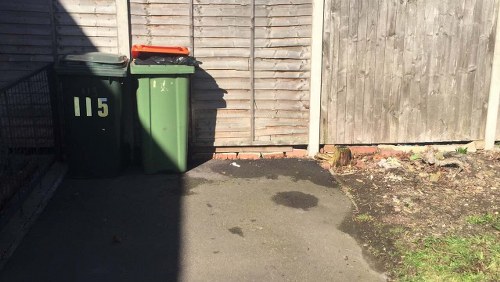
Office clearances often involve more than one waste type at once: desks, chairs, filing, broken equipment, old display units, packaging and general rubbish from changing workspaces. In these situations, the service needs to be orderly and selective, because some items are suitable for disposal, others for confidential treatment and some for careful removal from busy premises. Our office clearance page reflects that broader workplace scope, while confidential shredding is relevant when paper records or sensitive documents need secure handling.
Workplace clearances are easier when items are grouped before collection and access is made available in a sensible sequence. If there are computer peripherals, printers, shelving or mixed metal fittings, say so in advance; those details affect how the load is handled and whether more than one disposal route is needed. For larger fit-outs or end-of-lease clearances, it can also be useful to review waste removal as a general service option when several categories of waste are involved together.
Useful information to share is simply the kind of items involved, the floor they are on and any access constraints. You do not need a long inventory for every job, but the clearer the picture, the easier it is to prepare a practical quote. A short summary of quantities is usually more helpful than a general description, especially where bulky office items or mixed contents are involved.
Bulky items and furniture disposal
Some commercial clearances are driven by bulky items rather than ordinary bagged waste. Desks, seating, reception furniture, shelving, cabinets and mixed office furniture often need separate handling because they take more room, weigh more and can require different loading methods. Our furniture disposal service is intended for that sort of load, while furniture clearance is more useful where several pieces must be removed together from a room, floor or storage area.
Where seating or domestic-style items are involved in a business setting, it can be worth checking the specific item pages for a better fit. For example, mattress and sofa disposal is relevant when soft furnishings are part of the load, and fridge and appliance removal helps identify how larger electrical items may be treated. The most efficient quotation usually comes from knowing whether the items are loose, stacked or built into a larger clearance.
In practical terms, bulky-item removal is less about dramatic lifting and more about good sequencing. Heavy objects should be identified early, routes through the premises should be kept clear, and anything fragile nearby should be separated from the items to be taken away. That approach keeps the job controlled and allows the work to progress without unnecessary disruption to staff or customers.
Household-style clearances for commercial premises

Some businesses and managed properties need removals that resemble household clearances more than routine trade waste. This can happen in staff accommodation, mixed-use premises, landlord-managed units or buildings with domestic contents left behind after a tenancy change. In those situations, our house clearance and home clearance pages describe the broader kind of item removal that may be useful when the contents are varied rather than purely commercial.
Where a room, flat or store area contains mixed contents, a considered removal plan matters more than ever. Large bags, loose objects, furniture, small appliances and stored goods are often best removed in stages, with clear separation for anything fragile or reusable. If the property includes loft storage, loft clearance may be the more relevant route; for separate garage-type storage, garage clearance is a closer fit. These pages help match the service to the actual contents rather than forcing a one-size-fits-all approach.
For a quotation, a short description of the room or area, approximate volume and any awkward access is usually enough to begin. If there are stairs, narrow halls, limited parking or contents packed into cupboards and shelving, mention that alongside the main item types. The more clearly the load is described, the easier it is to plan a fair and practical collection.
Special waste and restricted items
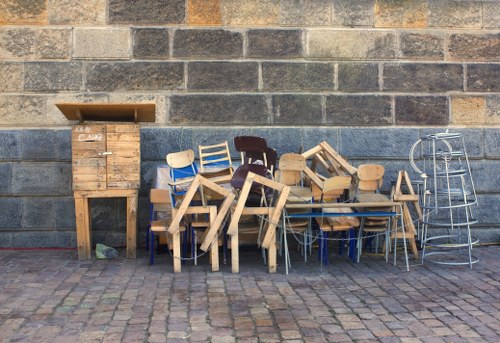
Not every commercial load can be treated as ordinary refuse, and some items need extra care because of material type, contamination or disposal restrictions. Our hazardous waste disposal page is relevant where chemicals, substances or other controlled items are involved, while fridge and appliance removal and mattress and sofa disposal address certain bulky items that often require specific handling. The right route depends on what is actually present, not simply on the size of the load.
Before any such collection is arranged, it is important to identify what the items are and whether they are mixed with general waste. If there are appliances, screens, batteries, liquids or other restricted pieces, say so in plain terms. That helps determine whether the job is suitable and whether it should be separated from standard business waste. For customers who like to understand the decision-making around material types, what can go in a skip can be a useful reference point even when the collection method itself is different.
Commercial waste planning works best when no one has to guess about what is included. A brief, accurate list of the restricted items and an honest note about access conditions is usually enough to shape a sensible quotation. If you are uncertain whether something qualifies as general waste or special waste, ask first rather than leaving it to chance.
Planning a collection around your premises
A good commercial collection is not only about disposal; it is also about how the work fits into the building, the trading day and the movement of people around the site. Access routes, loading points, lift availability and any restrictions on timing all affect how the job is approached. For that reason, a brief description of the premises is often as useful as the waste description itself, especially where collections need to be quiet, tidy and well coordinated.
Use the clearest entrance available, keep the waste in one place where possible and separate anything that must not be removed with the rest of the load. If the items are spread across more than one room, mention that early. A simple note about floors, storage areas and whether any dismantling is likely can prevent surprises. Where the business operates from a shared building, it is especially sensible to confirm who will provide access and where the collection can be loaded without causing inconvenience.
When you request a quotation, the most helpful details are the type of waste, the volume, the access and any item that may need special treatment. That is usually enough for an accurate first assessment, and it keeps the process efficient for both sides. If you are comparing service options, start with the main load and build from there rather than listing every object in the premises.
Business waste types and service choices
Commercial premises rarely produce a single type of waste, so the best service is often the one that matches the dominant material rather than the building type alone. Bagged general rubbish, cardboard, broken fixtures, old display equipment and mixed office debris may all be handled differently. A practical waste plan looks at what is being removed, whether anything can be separated, and whether bulky items should be collected alongside smaller refuse or taken away in a separate load.
For recurring or mixed workloads, it can help to think in terms of service groups rather than one-off items. Business waste removal is the broad day-to-day option, office clearance is better for workplace contents, furniture clearance handles multiple bulky pieces, and recycling and sustainability explains how recoverable material may be separated where suitable. That makes it easier to choose a service that reflects the actual load and avoids paying for the wrong sort of collection.
When in doubt, describe the waste in plain language rather than trying to classify it too early. A short summary of the main items, the location and the approximate amount is often all that is needed to point you toward the correct service. If the load contains both standard commercial waste and unusual items, say which category is larger so the quotation can be built around the real job.
About Spitalfields
Spitalfields sits on the eastern edge of central London, just beyond the historic boundary of the City of London and close to the routes that connect the City with Whitechapel, Aldgate and the broader East End. Its history is shaped by centuries of movement, trade and migration. The area takes its name from St Mary Spital, a medieval priory and hospital founded in the 12th century, and for a long time the district was associated with fields outside the old city rather than the dense streets seen today. That older landscape changed steadily as London expanded, and by the 17th and 18th centuries Spitalfields had become known for markets, workshops and housing associated with artisan production, especially the silk trade linked to Huguenot settlement. Many of the narrow streets and terraces that survive around Fournier Street, Princelet Street and nearby lanes reflect that period of urban growth, while later rebuilding added further layers of domestic, commercial and market architecture. Christ Church, designed by Nicholas Hawksmoor and completed in the early 18th century, remains one of the area’s most recognisable landmarks and stands as a strong reminder of the parish’s historic importance. The district also sits within a wider cultural landscape that includes market trading, independent shops, galleries and food businesses, with Spitalfields Market becoming a major draw in the modern era after its redevelopment. Nearby streets connect to Liverpool Street, Brick Lane and the towers and offices of the City fringe, so the area combines older fabric with contemporary commercial use. Its character is often described through the contrast between preserved Georgian streets, working market spaces and newer development, all set within a compact part of inner London that has long been shaped by commerce, population change and adaptation.
Clearance for changing business premises
Moving stock, renewing fittings or making space for new operations often creates waste that does not fit neatly into one category. In these cases, a combined clearance can be more practical than arranging several separate removals. Packaging, shelving, redundant office items, broken furniture and leftover contents from storage rooms are commonly found together, and each element needs a sensible route. The objective is to reduce the workload left behind while keeping the process tidy and manageable.
Builders waste clearance is useful when a refurbishment or light construction project leaves behind timber, plasterboard, packaging and other trade debris, while garden clearance may be more relevant for external areas attached to a commercial property or managed site. If the job includes a lot of mixed material, the choice is often between splitting it into separate service types or treating it as one broad load with clearly identified restricted items. The right answer depends on what is actually there and how it is stored.
One clear description of the contents is usually enough to get started. Let us know which items are the heaviest, which are most awkward and whether anything is fragile, contaminated or fixed in place. Once those points are clear, the quotation can reflect the real scale of the removal rather than a generic estimate based only on room size.
How to request a quotation
To request a quotation, start with a short description of the service you need, the type of waste and the place where it is held. If the collection is from a business unit, office floor, storage area or mixed-use property, say so plainly. A few details about access, parking, stairs or lifts can make a real difference to the accuracy of the quotation, especially where bulky items or multiple rooms are involved.
It also helps to mention whether the waste is mostly bagged, loosely stacked or made up of larger items that need moving separately. If there are restricted materials, confidential items or appliances, identify them rather than grouping them with general rubbish. You can then ask for a quotation based on the actual job, not a rough guess. If you are ready to move forward, contact us with the details and we will help you take the next step.
For businesses that prefer to plan ahead, a quotation request can be the first step toward a cleaner, more workable site. Clearer information usually means a clearer price, and that is especially true when the load includes mixed waste or awkward access. Share the essentials, leave out the guesswork and ask for a quotation when you are ready.