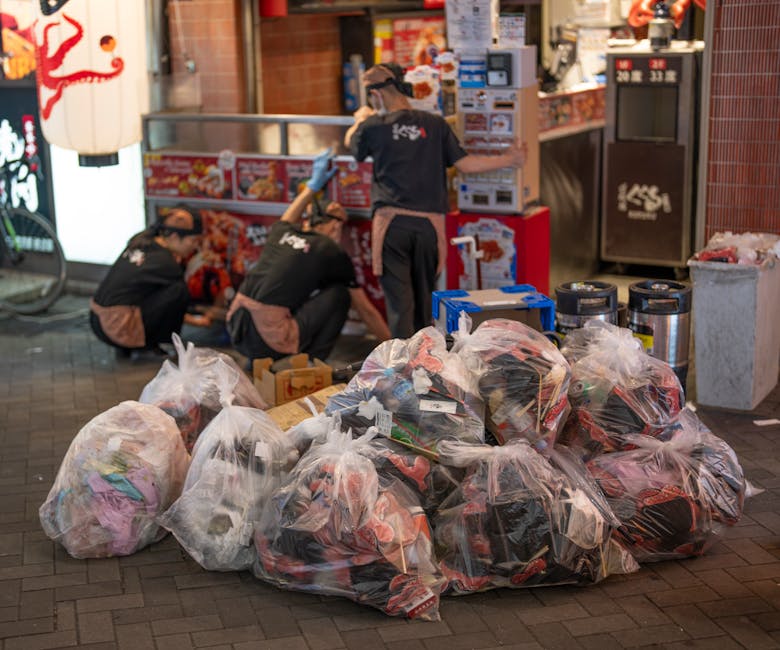
Liverpool Street Spitalfields rubbish clearance for shops

Running a shop near Liverpool Street or in Spitalfields can be busy enough without waste building up behind the till, in the stock room, or by the rear entrance. Old display units, broken shelving, packaging, end-of-line stock, cardboard, and the odd mystery item from a refit can quickly get in the way. Liverpool Street Spitalfields rubbish clearance for shops is all about dealing with that mess quickly, safely, and with as little disruption as possible.
Truth be told, most shop owners do not wait until the rubbish becomes a huge problem. They notice it first in small ways: a tighter fire exit, a cramped delivery area, or staff wasting time moving bags and boxes around. This guide walks you through what shop clearance involves, how it works, what to watch for, and how to make sensible decisions for a busy London retail setting.
Why Liverpool Street Spitalfields rubbish clearance for shops Matters
For shops in this part of London, waste is not just an eyesore. It affects daily trading, staff safety, customer experience, and sometimes your ability to work efficiently at all. A crowded back-of-house area can make restocking harder. A blocked route can slow down deliveries. And if you are dealing with bulky items, the problem gets bigger fast.
In busy retail streets around Liverpool Street and Spitalfields, space is precious. You may have limited storage, awkward access, and a steady stream of packaging waste from suppliers. That means rubbish can pile up in a way that feels unavoidable. But it really is manageable with the right approach.
Shop clearance also matters because commercial waste has to be handled properly. If you are removing mixed rubbish, damaged stock, old fittings, or electrical items, you need a clear plan for sorting, lifting, transport, and disposal. That is where a structured service such as business waste removal becomes useful, especially when you want the job done with minimal fuss.
There is another point people often overlook. Retail waste clearance is not only about the final bin run. It is about keeping the shop presentable and workable every day. A tidy store room helps staff move faster. A clear service corridor keeps customers and team members out of trouble. Small thing? Maybe. But small things stack up. And in retail, they matter.
How Liverpool Street Spitalfields rubbish clearance for shops Works
Shop rubbish clearance usually follows a straightforward process, though the details depend on the type of premises and the amount of waste involved. In practical terms, it starts with identifying what needs removing and how accessible it is. From there, the clearance team can plan manpower, vehicle size, lifting requirements, and disposal routes.
For a typical shop, the service may include:
- bagged general rubbish
- cardboard and packaging
- broken shop fittings
- old shelving or display units
- unused or damaged stock
- furniture from refits or layout changes
- selected appliances or electrical items where appropriate
If your clearance includes furniture, it may be worth looking at furniture clearance or furniture disposal as part of the wider plan. That is often the case with changing retail layouts, seasonal store resets, or an end-of-lease tidy-up.
Many shop owners prefer clearance to happen outside trading hours or in a quieter window, because nobody wants a trolley of broken display stands rolling past customers at 11 a.m. on a Saturday. Fair enough. Timing is everything in retail.
A good clearance process also considers access. In Spitalfields, loading space can be tight, and in the Liverpool Street area there can be pressure from deliveries, pedestrians, and traffic flow. A team that understands commercial waste removal will usually look at the route from your shop floor to the vehicle, not just the waste pile itself.
If your waste is more mixed, heavier, or linked to a fit-out, you may need support from waste removal or, for refit debris, even builders waste clearance. That kind of judgement is useful because not every pile of rubbish is the same. Some is simple. Some is a bit of a nuisance. And some, frankly, needs a careful hand.
Key Benefits and Practical Advantages
The real value of Liverpool Street Spitalfields rubbish clearance for shops is not just that rubbish disappears. It is what happens to the working environment once it has gone. Things become easier, cleaner, and less stressful. You can feel that difference almost immediately.
- Better use of space: stock rooms and back areas work properly again.
- Improved safety: fewer trip hazards, blocked exits, and unstable piles.
- Less disruption: staff spend less time shifting waste around.
- Cleaner customer impression: the business looks more organised.
- More efficient turnaround: especially useful after refurbishments or delivery surges.
- Better waste segregation: recyclable items and general waste can be separated more sensibly.
There is also the quieter benefit: peace of mind. When you know the rubbish is dealt with properly, you are not carrying a mental list of things to sort later. That sounds small, but if you have ever managed a shop during a refit week, you will know exactly what I mean.
Some businesses also find that structured clearance supports sustainability goals. Items that can be reused, separated, or recycled should not simply be dumped in with everything else. If you care about responsible disposal, it helps to work with a service that takes recycling seriously. You can read more about that approach via recycling and sustainability.
And yes, cost control matters too. A clear plan can reduce unnecessary labour, wasted time, and repeat collections. That is often where the real savings are. Not always the headline price. The hidden bits.
Who This Is For and When It Makes Sense
This service is useful for a wide range of shops and retail spaces. If you run a small independent unit, a chain store, a kiosk, or a mixed-use commercial space with a retail frontage, you may need rubbish clearance at different points in the year.
It is especially relevant if you are:
- moving into a new shop unit
- closing, downsizing, or changing use
- refreshing the store layout
- clearing out old stock after a seasonal period
- removing packaging after a large delivery
- disposing of damaged stock or shop fittings
- dealing with waste after minor refurbishment work
Sometimes the need is obvious. A shop refit leaves piles of material in the way, and you need it gone yesterday. Other times the trigger is more gradual. Maybe the stock room has become a sort of awkward museum of old cardboard, broken hangers, and one lonely cabinet that nobody wants to claim. Happens more than people admit.
For office-retail hybrid premises, it may be sensible to combine shop clearance with office clearance if you are also removing desks, chairs, shredding waste, or old equipment from a back office.
If your premises include household-style items, such as sofas in a waiting or customer lounge, relevant disposal options like mattress and sofa disposal may also come into play. That is common in lifestyle shops, salons with retail corners, and hospitality-adjacent units.
Step-by-Step Guidance
If you want the process to run smoothly, a simple step-by-step approach works best. No need to overcomplicate it.
- Identify the waste types. Separate general rubbish, cardboard, reusable items, electricals, and anything potentially hazardous.
- Estimate the volume. Think in terms of bags, boxes, pallets, or bulky items. This helps with planning.
- Check access. Measure doorways, lifts, loading points, stairways, and any narrow passages.
- Set a collection window. Quiet hours are often easiest for shops. Early morning or after closing can work well.
- Protect the trading area. Move stock, cover surfaces if needed, and keep the route clear.
- Confirm special items. Appliances, confidential material, or hazardous items need specific handling.
- Book the appropriate service. Choose a provider that can handle your waste type and access conditions.
- Final sweep and sign-off. Once the waste is gone, check the area, exits, and storage zones.
That final sweep is underrated. It catches odd bits of tape, packing straps, and those tiny shards of broken plastic that somehow show up everywhere. You know the ones.
If your clearance includes old fridges, chillers, or countertop appliances, a dedicated fridge and appliance removal service may be the smarter option. It avoids confusion and helps ensure the right handling is used.
For shops using bins, bags, or skip alternatives, it also helps to know what can be mixed safely. The page on what can go in a skip is a useful reference point if you are weighing up what belongs together and what should be kept separate.
Expert Tips for Better Results
A few small habits can make shop rubbish clearance much easier. None of them are complicated, but they save time and reduce mistakes.
- Label waste by category. Cardboard, general rubbish, and reusable fittings should not all be thrown into one vague pile if you can help it.
- Keep a clear path from day one. Do not let items accumulate near the exit "just for now". That phrase gets people into trouble.
- Book before the build-up becomes urgent. If you leave it until the back room is unusable, the job usually takes longer.
- Ask about item types early. Some materials are straightforward, some are not. It is better to ask than guess.
- Plan around deliveries. Nobody wants a clearance crew competing with a pallet drop and three staff members carrying stock through the same door.
One practical tip from real-world retail settings: clear the heaviest or bulkiest items first, even if they are not the messiest. Once those are out of the way, the rest of the job feels less chaotic.
And if you are managing a shop with customer traffic, make the route visible and controlled. A couple of temporary signs, a clear staff brief, and a properly timed collection can prevent a lot of awkward moments. Not glamorous, but effective.
If you want a straightforward process with transparent expectations, it helps to review pricing and quotes before booking. Clarity up front tends to prevent headaches later. Funny how that works.
Common Mistakes to Avoid
Most clearance problems come from rushing or assuming all waste can be handled the same way. That is where people slip up.
- Leaving sorting until collection day. This slows everything down and can lead to wrong items being mixed together.
- Forgetting about access restrictions. Tight staircases, loading limits, and one-way streets are not minor details in London.
- Ignoring bulky waste. Old counters, shelving, and cabinets can dominate the whole job if they are not planned for.
- Mixing special items with general waste. Appliances, confidential material, and certain waste types may need separate handling.
- Overlooking after-hours needs. Some shops need collections outside trading times, and that should be discussed early.
Another common mistake is assuming every clearance is simply a bin emptying exercise. It is not. A shop clearance may involve careful lifting, navigating customer areas, and managing items that have awkward shapes or weights. That matters for safety and for speed.
There is also the paperwork side. Keep records of your waste arrangements, even when the job feels routine. Good waste management is one of those invisible systems that only gets noticed when it goes wrong. And by then, well, it is usually a nuisance.
Tools, Resources and Recommendations
You do not need a shed full of equipment to handle shop rubbish well, but a few practical tools and processes help a lot.
| Item or approach | Why it helps | Best use case |
|---|---|---|
| Heavy-duty sacks and boxes | Make sorting and lifting cleaner and easier | Mixed packaging, general rubbish, smaller stock items |
| Trolleys or dollies | Reduce manual carrying and speed up movement | Back-room clearances and bulky but manageable items |
| Labels or coloured tape | Helps staff separate waste types quickly | Refits, stock resets, multi-team jobs |
| Collection window planning | Reduces disruption to customers and deliveries | Busy retail streets and trading hours |
| Specialist disposal route | Useful for appliances, confidential items, or bulky furniture | Mixed commercial clearances |
As a rule, a good shop clearance setup also includes a simple inventory list: what is going, what stays, and what needs a special process. That list saves arguments. It also saves time. Sometimes it even saves a second trip, which everyone appreciates.
For businesses that handle sensitive material as well as waste, confidential shredding can be a sensible add-on. It is particularly relevant where paperwork, customer data, or old records are being removed alongside general shop waste.
If the shop has also produced debris from minor construction or display changes, builders waste clearance can be the better fit than standard rubbish collection. The right category makes the job smoother. Simple as that.
Law, Compliance and Best Practice
Commercial waste in the UK needs to be handled responsibly, and that includes retail waste. Shop owners should take reasonable care to store, sort, and hand over waste properly. If you are unsure how to classify an item, it is safer to treat it cautiously rather than assume.
Best practice usually means:
- keeping waste away from customer areas where possible
- protecting fire exits and walkways
- separating recyclable materials where practical
- using appropriate handling for heavy or awkward items
- not mixing general rubbish with hazardous or specialist waste
- keeping clear internal procedures for staff
If your shop stores items that could be classed as hazardous or need special disposal, use a dedicated route rather than hoping the general clearance team can handle everything automatically. For example, certain cleaning chemicals, aerosols, or damaged items with contamination issues may need extra care. In those cases, hazardous waste disposal is the safer conversation to have first.
Insurance and safety also matter. A clearance team should work in a way that protects people, property, and access routes. It is sensible to review how a provider approaches this through its insurance and safety information. For your own business, having a basic internal risk assessment for the day of collection is just good practice.
Let's face it: a shop floor is no place for guesswork when heavy items are being moved. Even a small wobble with a cabinet or fridge can create more trouble than the item is worth.
Options, Methods, or Comparison Table
There is more than one way to deal with shop rubbish. The best option depends on volume, item type, timing, and how much help you need on the day.
| Method | Best for | Pros | Trade-offs |
|---|---|---|---|
| In-house staff disposal | Very small amounts of lightweight waste | Simple and quick for minor clear-outs | Can be slow, physically demanding, and awkward for bulky items |
| Bag-and-bin routine | Regular packaging and everyday waste | Good for ongoing shop operations | Not enough for larger refits or one-off clearances |
| Specialist commercial clearance | Bulky, mixed, or time-sensitive waste | Efficient, flexible, and practical | Needs planning and clear item details |
| Targeted disposal services | Appliances, furniture, or confidential material | Better handling for specific waste types | May need multiple service types for one job |
For many shops, the sweet spot is a mix of methods. Everyday waste gets handled routinely, while bulky or awkward items are booked separately. That way you avoid the classic problem of trying to fit a very non-standard job into a standard bin routine. It never quite works.
Case Study or Real-World Example
A small Spitalfields shop preparing for a layout refresh had a familiar problem: boxes in the stock room, three old display units, damaged packaging from a recent delivery, and a tired sofa in a staff area that had clearly lived its best life. Nothing dramatic on its own. Together, though, it was making the space feel cramped and disorganised.
The first step was to separate what could stay, what could be reused, and what needed to go. The team marked the main route from the stock room to the front access point, shifted sale stock away from the path, and booked a collection for a quieter morning window. Simple stuff, but it mattered.
Because the waste included furniture and some bulky mixed items, the job was handled as part of a wider clearance rather than as ordinary bag waste. The sofa was dealt with through mattress and sofa disposal, while the remaining items were cleared in one organised visit. The result was a cleaner back area, a quicker reset, and less staff time spent shuffling things around during trading hours.
What stood out was not the scale of the job. It was the relief. By the afternoon, the place sounded different too: less dragging, less clattering, fewer "we'll move that later" conversations. Just a calmer workspace. Sometimes that is the real win.
Practical Checklist
Use this checklist before arranging shop rubbish clearance. It keeps the process tidy, and yes, it saves the "oh, we forgot that" moment.
- List all waste items, including bulky pieces
- Separate general waste, recyclables, and special items
- Check access routes, doors, and loading points
- Pick a collection time that suits trading hours
- Move stock and staff equipment out of the way
- Confirm if any item needs specialist handling
- Review pricing and service details in advance
- Keep walkways and fire exits clear
- Do a final walk-through after the clearance
- Store records or notes if your business keeps waste documentation internally
If you want a cleaner long-term setup, it also helps to think beyond the immediate job. Regular waste habits, better stock room organisation, and a clear plan for larger clear-outs all make future collections easier. Not exciting, maybe. Very effective, definitely.
Conclusion
Liverpool Street Spitalfields rubbish clearance for shops is really about keeping your business functional, safe, and ready to trade without clutter getting in the way. Whether you are handling seasonal packaging, old fittings, damaged stock, or a full refit tidy-up, a clear and practical approach saves time and reduces stress.
The best results usually come from simple preparation: know what needs removing, choose the right clearance route, and plan around your access and trading pattern. That is especially important in busy London locations where space is tight and timing matters. A little planning goes a long way. More than people expect, actually.
If you are weighing up the next step, keep it straightforward. Review your waste, set your priorities, and choose a service that fits the job rather than forcing the job to fit the service.
Get a free quote today and see how much you can save.
And if the stock room has started to feel like a game of Tetris you never agreed to play, now is probably a good time to sort it out.
Frequently Asked Questions
What does Liverpool Street Spitalfields rubbish clearance for shops usually include?
It usually covers general shop rubbish, packaging, cardboard, broken fittings, unwanted stock, and bulky items such as shelving or display units. The exact scope depends on what your shop needs removed.
Can shop rubbish be cleared outside trading hours?
Yes, that is often the easiest option for busy retail areas. Early morning or after closing can reduce disruption to customers, deliveries, and staff movement.
Is this the same as normal domestic waste removal?
No. Commercial shop waste can be more varied and may need different handling, especially if it includes fittings, stock, appliances, or mixed retail materials.
What if my shop has old furniture to remove?
Furniture can often be included, but it may be treated as a separate disposal category depending on size and condition. Services such as furniture clearance are often the best fit.
Do I need to sort recyclables before collection?
It helps if you can. Cardboard, reusable items, and general rubbish are easier to manage when separated, and it supports better recycling outcomes where possible.
How do I know if an item needs special disposal?
If it is electrical, potentially hazardous, contaminated, or unusually bulky, it may need specific handling. When in doubt, ask before collection day rather than guessing.
Can a clearance team remove shop appliances?
Yes, in many cases they can, but appliances such as fridges or display chillers may need dedicated handling. A targeted fridge and appliance removal option is often the cleaner solution.
What should I do before the clearance team arrives?
Clear the access route, separate the waste types if possible, move stock out of the way, and make sure staff know what is being removed. That simple prep saves time.
How much space do I need for a shop clearance?
That depends on the amount and type of waste. Even a small shop can have awkward access, so the key issue is often route width and loading access rather than floor area alone.
Is it worth booking a clearance for a small amount of rubbish?
If the waste is awkward, heavy, or time-sensitive, yes. Even a small pile can create a safety issue or block important working space in a shop.
What if my shop also needs office items removed?
If you have desks, chairs, files, or back-office clutter as well as shop waste, a mixed approach may be best. Office clearance can be helpful alongside retail clearance.
How can I keep waste under control after the clearance?
Set a simple system for packaging, store-room rotation, and bulky item handling. Small habits make a big difference, especially in compact commercial spaces.
Where can I find more information about booking and costs?
You can review the available service information and check book online options, alongside the pricing and quotes page for more guidance.
What if I am not sure which service page fits my shop waste?
Start with the type of waste you have and whether it is bulky, mixed, or specialist. From there, service pages such as business waste removal, furniture disposal, or builders waste clearance can help you narrow it down sensibly.
For more about the team behind the service, visit the about us page, or use the contact us page if you need to ask a direct question.