Reduce Waste and Spark Creativity with These Unique Upcycling Ideas
Upcycling is a powerful method to cut down on waste and breathe new life into items that many would simply throw away. By transforming discarded materials into valuable, functional, or beautiful objects, you not only help the environment but also unleash your creative spirit. This comprehensive guide explores innovative upcycling projects and offers inspiration to help you get started on your journey of reducing waste and sparking creativity today.
What Is Upcycling and Why Does It Matter?
Upcycling refers to the process of repurposing or redesigning waste materials and unwanted products into new goods of higher quality or environmental value. Unlike recycling, which typically breaks items down to raw materials, upcycling maintains the original form while enhancing their use or appearance.
The Importance of Upcycling
- Environmental Impact: Reduces landfill waste and pollution.
- Resource Conservation: Lowers the demand for raw materials.
- Personal Creativity: Encourages innovative thinking and artistic expression.
- Economic Benefits: Saves money and can create new business opportunities.
- Community Building: Inspires collective projects and community initiatives.
By embracing upcycling ideas, you play a part in building a more sustainable future and create stylish, one-of-a-kind items that reflect your personality.
How to Get Started with Upcycling
If you're new to the concept, starting your upcycling journey might feel intimidating. But don't worry--almost everyone has some unused items lying around the house that are perfect for upcycling. Here are a few tips to help you launch your first project:
- Start Small: Choose a simple project, like transforming glass jars into candle holders.
- Gather Materials: Identify recyclable or discardable items at home--old t-shirts, boxes, bottles, or cans.
- Find Inspiration: Browse online platforms, social media, or upcycling communities for creative ideas.
- Don't Be Afraid to Experiment: Mistakes are part of the creative process--each one will teach you something new.
Spark Your Creativity: Unique Upcycling Ideas to Try
Give your household waste a second chance with these imaginative upcycling projects. Not only will they help you reduce waste, but they'll also infuse your home with character and originality.
1. Upcycle Old Clothing into Trendy Accessories
- Turn T-Shirts into Tote Bags: An old tee can be transformed into a sturdy, reusable tote perfect for shopping or the beach. Simply cut off the sleeves and neckline, sew or tie the bottom, and you've got an eco-friendly bag.
- Jeans to Denim Pouches: Use pockets or other parts of worn-out jeans to create small pouches or wallets.
- Scarf Bracelets: Outdated scarves can be braided or twisted into stylish, boho-chic bracelets or headbands.
These upcycling clothing ideas not only save money but also allow you to create personalized fashion pieces.
2. Glass Jar Upcycling: More Than Just Storage
- Candle Holders: Fill jars with sand, pebbles, or decorative stones, then add tealights for a cozy ambiance.
- Mini Terrariums: Create miniature worlds with soil, small plants, and shells--great for desk or shelf decor.
- Bathroom Organizers: Attach jars to wooden boards and mount them on the wall to organize cosmetics or toothbrushes.
Simple glass jar upcycling projects are easy, functional, and attractive additions to your living space.
3. Furniture Upcycling: Give Old Pieces New Life
- Pallet Coffee Tables: Sand and stain wooden pallets for a rustic, industrial chic table.
- Drawer Shelves: Mount old drawers to the wall for instant, quirky shelving units.
- Chair Planters: Paint a broken chair and place a potted plant where the seat used to be.
These furniture upcycling ideas can add a unique vibe to your home while keeping bulky waste out of landfills.
4. Upcycled Home Decor Projects
- Wine Cork Boards: Glue wine corks together for an eco-friendly pinboard or trivet.
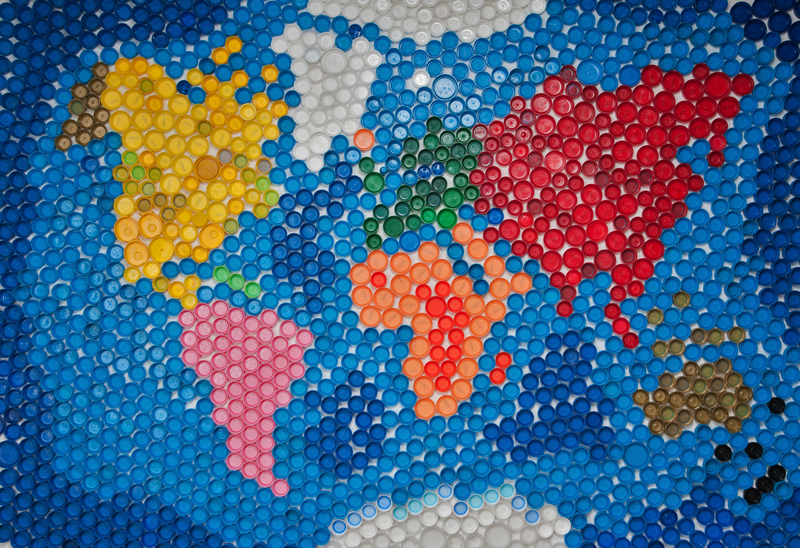
- Bottle Cap Mosaics: Use colorful bottle caps to create unique coasters or wall art.
- Magazine Bowls: Roll magazine pages into coils and glue them together for vibrant, lightweight bowls.
Decorative home upcycling projects make beautiful gifts and captivating conversation starters.
5. Creative Children's Toys and Crafts
- Cardboard Castles: Use large boxes to build forts, castles, or theaters for endless playtime imagination.
- Tin Can Drums: Clean tin cans and cover open edges for safe, musical fun.
- Sock Puppets: Old or mismatched socks make perfect materials for puppet-making with some buttons and yarn.
Upcycling with kids teaches sustainability and problem-solving, while providing hours of creative entertainment.
6. Garden Upcycling: Eco-Friendly Outdoor Inspiration
- Plastic Bottle Planters: Cut and decorate used bottles for fun, vertical gardening projects.
- Tin Can Lanterns: Punch holes in old cans, pop in a candle or LED, and hang for magical outdoor lighting.
- Rainwater Collectors: Repurpose barrels or large containers to catch rainwater for your garden.
These upcycling garden ideas help you grow more plants while minimizing environmental impact.
Benefits of Upcycling: Why You Should Get Involved
Reducing waste through upcycling reflects a more conscious way of living that can change your approach to consumption and throwaway culture. Here are just a few reasons why upcycling is worth your time:
- Environmental Stewardship: Every upcycled project means fewer items end up in landfills and less pollution. You directly contribute to conserving resources and reducing greenhouse gas emissions.
- Cost Savings: Upcycling is a money-savvy way to replace household items, revamp your wardrobe, or decorate your home for less.
- Enhanced Creativity: Working with limitations--like the materials you already have--promotes inventive solutions and boosts problem-solving skills.
- Personal Satisfaction: There's undeniable pride in creating something beautiful or useful from waste.
- Community Connection: Upcycling workshops, swaps, or online sharing can forge new friendships and foster a community oriented towards sustainability.
Tips for Successful and Safe Upcycling
- Clean Items Thoroughly: Always wash jars, bottles, cans, and fabrics before starting any project.
- Use Appropriate Tools: Safety first! If you're cutting metal, wood, or glass, wear gloves and protective eyewear.
- Plan Before You Start: Sketch your design or layout before cutting or gluing to avoid errors and wasted materials.
- Choose Non-Toxic Materials: Select paints, glues, and finishes that are safe and eco-friendly, especially for items used by children or for food storage.
- Be Creative with Repairs: Sometimes the best upcycling comes from creatively fixing rather than discarding.
Upcycling and the Circular Economy
The circular economy is an alternative to the "take-make-waste" linear model. It focuses on keeping products and materials in use as long as possible. Upcycling fits perfectly within the circular economy by extending the lifecycle of objects, extracting the most value, and designing out waste.
- Design for Longevity: When upcycling, think about how your creation can be repaired or modified in the future.
- Support Local: Buy upcycle-inspired crafts from local artisans or attend community swap meets.
- Share Your Skills: Teach others upcycling techniques or host workshops to inspire further positive change in your area.
Inspiring Success Stories: Upcycling in Action
Need more motivation? Here are a few real-world examples of how upcycling is making a difference globally:
- Eco-Friendly Businesses: Companies are now turning discarded plastics into shoes, bags, and even furniture, proving that sustainability can be big business.
- Artist Movements: Many artists use found materials for installations, sculptures, and gallery pieces, making bold statements about consumption and waste.
- Community Initiatives: Urban gardens and playgrounds built entirely from upcycled materials are popping up in cities around the world.
These initiatives demonstrate the creative and economic potential of upcycling projects and show how everyone can participate.

Frequently Asked Questions About Upcycling
- Q: What materials can I upcycle?
A: Nearly anything! Common materials include glass jars, cans, cardboard, clothing, wood, furniture, and plastic containers. Just make sure the material is clean and safe to use. - Q: Is upcycling different from recycling?
A: Yes. Upcycling uses items in their current form, enhancing or reimagining them, while recycling breaks items down into raw materials for remanufacturing. - Q: Can I make money from upcycled projects?
A: Absolutely! Many people sell upcycled crafts on platforms like Etsy or at local craft fairs. - Q: How do I get kids interested in upcycling?
A: Choose fun, age-appropriate projects, emphasize bright colors, and let them help design or decorate their creations.
Conclusion: Start Your Upcycling Journey Today
Upcycling is a fulfilling way to reduce waste and spark creativity. Whether you reimagine plastic bottles as planters or transform old furniture into show-stopping home decor, you're making an environmental impact while unlocking your inner artist.
Remember, the best upcycling projects are born from a willingness to experiment and an openness to rethink the potential in everyday items. Gather your materials, get inspired, and take pride in each new creation. With these unique upcycling ideas, you can join the movement to reduce waste and spark a wave of creativity in your home and community.
Ready to start? Your next upcycling masterpiece awaits!
